The Sunday-Morning Vinyl Dig: Finding Country Gold in a Wet British Field
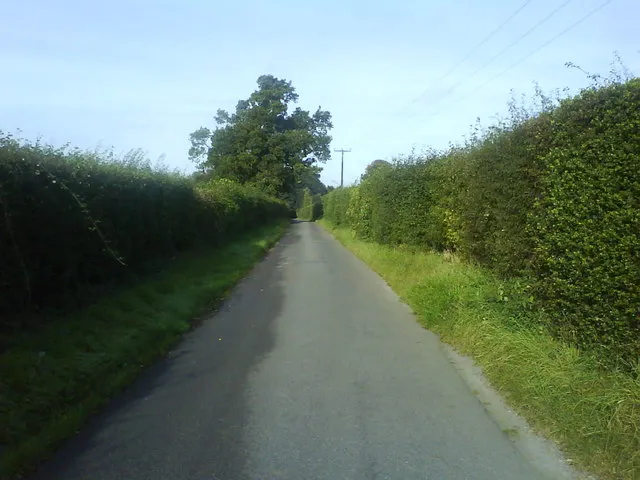
Sunday, 7.40am, a field just outside Pewsey. The grass is wet enough to soak through trainers, the tea urn is doing its first honest trade, and a man in a Doncaster Rovers jacket is lifting a banana box of LPs onto a pasting table. This is not the glamorous end of record collecting. It is something better: the Sunday-morning vinyl dig, where UK country and Americana fans go looking for the records that never quite made it to the streaming algorithms.
As the 2026 car-boot season winds down, we at Humphead Country wanted to raise a flask to the sellers, the scruffy sleeves and the lucky finds that keep the scene warm. You do not need a collector's guide the size of a telephone directory. You need a decent eye, a few quid in coins and the patience to look under the table.
Why country LPs still turn up in British fields
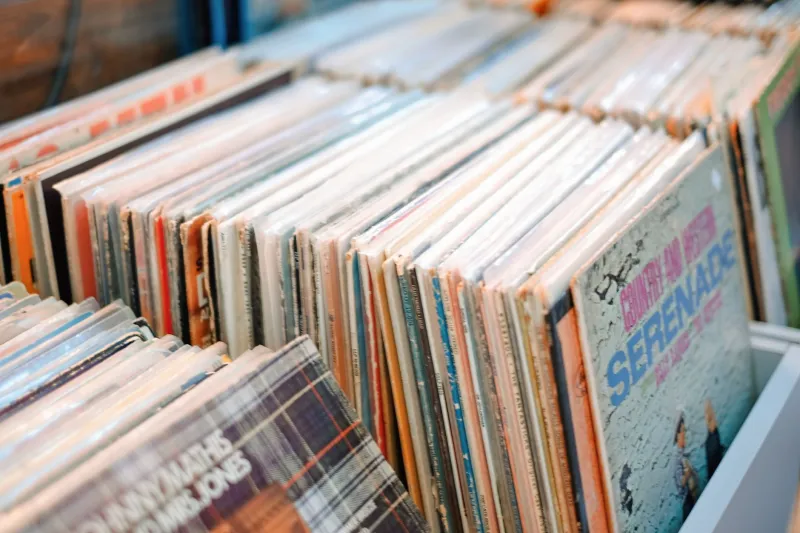
Country and Americana records are the quiet backbone of many British car boots. They were bought in Woolworths, WH Smith and provincial record shops, played at family parties, then parked in a spare room when the CD player arrived. That is why you still find Dolly Parton next to a dog-eared copy of Rumours and a Vera Lynn LP with a birthday sticker on the front.
The prices are part of the appeal. A country LP that would set you back £18 in a city record shop can turn up for £2 in a field in Wiltshire, especially if the sleeve has seen better days. The other part is the randomness. You are not browsing an algorithm. You are browsing somebody's attic, and that is a far more interesting place to be.
Three sellers worth knowing
Elaine, Pewsey. Elaine has been doing the same Sunday circuit for years, and her stall is easy to spot: tidy boxes, honest labels and a flask of coffee she will share if you look cold enough. Her country box is where the good stuff hides. On a recent Sunday it held Crystal Gayle, Charley Pride, Kenny Rogers and a copy of Dolly Parton's Here You Come Again with a coffee ring on the sleeve. Elaine does not pretend everything is mint. 'That one's got a tick on the first track, love. Make it a pound,' she said, which is the sort of grading you can trust.
Ray, Ripon Racecourse. Ray sells singles and jukebox 45s from a folding table near the burger van. He knows which records have dinked centres, which sleeves are original and which copies are later reissues dressed up as originals. He will not tell you a scuffed sleeve is pristine, and he will not charge you twenty quid for a record he bought in a job lot. Ask him about country B-sides and you will lose twenty minutes happily.
Mo, Lincolnshire Showground. Mo and her daughter sell records from her late husband's collection, and the boxes are labelled with a simple instruction: Play me. She is not really interested in market value. She wants the records to go to people who will actually put them on. The last time we saw her, a young couple bought a Johnny Cash LP and a Tammy Wynette compilation, and Mo threw in a Patsy Cline single because, as she put it, 'nobody should start without Patsy'.
How to spot a good pressing without being a bore
First, look at the record rather than the sleeve. Sleeve wear is character; a deep scratch across the first track is a problem. Tilt the vinyl under daylight and look for scuffs that follow the grooves rather than sit across them. If you can feel a scratch with a fingernail, it will probably make a noise.
Check the spindle hole for repeated marks. A clean hole suggests a record that has not been played to death. Look at the runout matrix near the label if you want to know more about the pressing, but do not let it become a personality. A UK Decca, MCA, RCA or CBS pressing can be lovely, and so can a later reissue if the vinyl is clean.
Look inside the sleeve. Country LPs are brilliant for hidden extras: lyric sheets, fan-club cards, old price stickers, handwritten notes and the occasional setlist. Those bits of paper are often the reason a £2 record becomes a story you tell for years.
Finally, check for warps by sighting along the edge of the disc. Bring a proper record bag rather than a rucksack, keep your vinyl out of direct sun and do not clean a record with washing-up liquid in a lay-by. Ask the seller what they know. Most will tell you honestly, and the honest ones are the ones worth going back to.
The odd finds that keep us digging
A battered Dolly Parton LP with a handwritten setlist tucked inside remains the gold standard. Blue biro, song titles, Jolene underlined twice. The seller wanted £2. The setlist was worth the trip on its own.
We have also seen a Kenny Rogers LP with a betting slip from Doncaster races used as a bookmark, a Nanci Griffith record with a note reading learn these for the folk club, and a Charley Pride sleeve with a child's drawing of a horse on the back. None of these things make the record more valuable in a price guide. They make it more valuable to a person.
A gentle code for the dig
Ask before you start rummaging through boxes under a table. Do not haggle over 50p. Leave the boxes as you found them. Do not film a seller without asking. If you have spent twenty minutes asking about every record in a box, buy something. And take cash, because the signal in a wet field is never as good as the records.
The 2026 season may be closing, but the records will be back in spring. Keep a box in the boot, keep a few pound coins in the glovebox, and keep an eye out for the handwritten note inside the sleeve. That is where the warmest country stories tend to hide.