Hay Bales, Hardcore Floorboards and a Very Long Extension Lead: Inside Britain's Barn Gig Revival
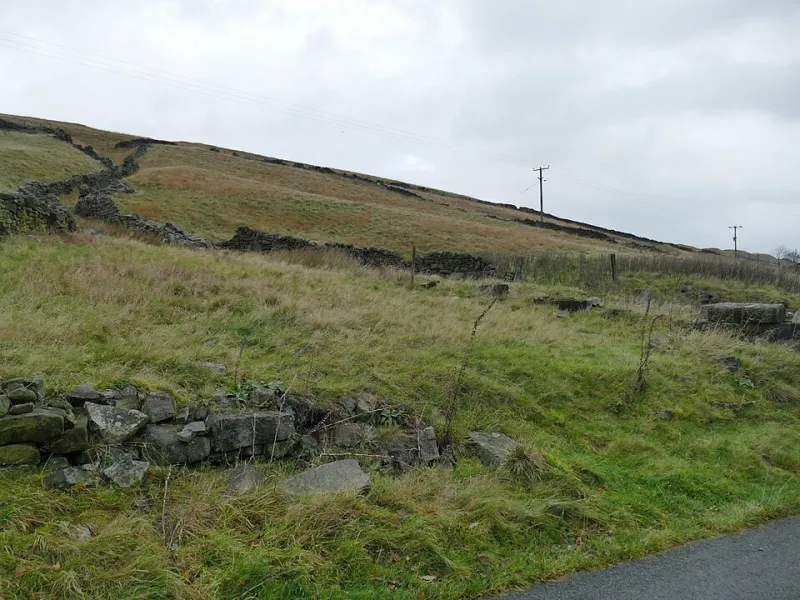
Photo: Stephen Craven , CC BY-SA 2.0, via Wikimedia Commons
The first thing you notice is the sound of the door closing. Not a bang — a kind of soft, heavy thunk that tells you the outside world has been dealt with. Then the smell: old timber, diesel faintly, and whatever someone has been cooking at the back in a slow cooker the size of a small car.
This is a barn gig. Not a converted mill with exposed brick and a cocktail list. An actual working building, sometimes days away from holding a tractor, sometimes not even days away. Britain has hosted music in barns for generations — folk clubs in Devon, ceilidhs in the Borders, harvest suppers everywhere — but something has shifted recently. Farmers, and often their children, are doing it on purpose, building tiny venues out of outbuildings because the nearest proper theatre is forty minutes away and the nearest country gig might be twice that.
We visited three families to find out how, and why, and what happens to a community when you put a stage where the hay used to be.
The Welsh grain store: 'We didn't plan a venue, we planned a barn dance'
Up a lane outside a small town in Powys, Einir and Tom have a forty-foot stone building that once held grain and, more recently, not very much. When their daughter Rhian started putting on gigs in Cardiff and realised how many artists she loved would happily play somewhere rural if it paid enough to cover a van full of diesel, the conversation moved to the empty building.
'It started as a barn dance,' Einir says, pouring tea from a pot that could serve a rugby team. 'We had a band for the village. Then Rhian said, what if we do this properly, with a proper artist, and see if anyone comes.' Two hundred tickets sold in eleven days. A limited run of fifty more, once they had checked the fire regulations, went in a morning.
The building hasn't changed much. Bare stone walls. A corrugated roof that sings in heavy rain — something sound engineers have learned to work around rather than fix. A small stage built by a neighbour for the price of materials and a few evenings of labour. The toilets are in a portacabin and no one is pretending otherwise.
What has changed is the calendar. Four or five shows a year, mostly spring and autumn, never during lambing, never during harvest. Local suppliers handle the bar. A couple of teenagers from the village run the door and take it in turns to look after the car park. 'The money isn't enormous,' Tom says. 'But it pays a young musician properly, it keeps the building useful, and it means people in this valley don't have to drive to Bristol for a night out.'
The Yorkshire conversion: floorboards first, everything else second
Two hundred miles north-east, on a mixed farm on the edge of the North York Moors, the problems were more structural. Their building was a cattle shed with a concrete floor — great for drainage, brutal for anything involving chairs. 'You can't sell tickets to people who have to stand on concrete for three hours,' says Sophie, who runs the gigs alongside her parents. 'So the floor came first.'
They laid a timber floor, insulated a few walls, and put in what she calls 'the cheapest heating that actually works'. Capacity stayed small: a hundred and twenty at a squeeze, ninety if everyone wants to sit. The layout is deliberately unglamorous — a stage at one end, a bar at the other, and a gently sloping field outside where people spill out with drinks at the interval and look at the stars in a way that Londoners find genuinely alarming.
The artists seem to like it. Sophie keeps a spreadsheet of requests and quotes. 'What they say is that they can hear themselves. There's no room tone swallowing everything. And small rooms mean you can play quietly, which is not something you get to do in a big venue.' One touring singer came for a one-off and has now played three times, building an audience in the area one hundred-and-twenty-seater at a time. That's how a DIY circuit starts: not with a map, but with a room someone enjoyed playing.
There are things they'd change. Parking on grass in February is a seasonal gamble. Insurance for public events in agricultural buildings takes patience. And there's an unspoken agreement with the parish about finishing times, noise and not being the reason anyone knocks on the door with a clipboard.
The Scottish brother-and-sister operation: respecting the building
Near Stirlingshire, Isla and Callum run gigs in a former milking parlour attached to the family farm. Their operation is the most technical of the three, which amuses them both. 'You'd think a farm would be relaxed,' Callum says. 'But we've had a structural engineer in twice and the fire officer is on first-name terms.'
The building is stone with a low ceiling, whitewashed walls and a floor that slopes enough to need levelling. They keep the original fittings where they can — there is a warm authenticity to a room that still looks like what it is. But the electrics are new, the access is proper, and nothing goes ahead without insurance that actually covers what they're doing.
Isla books the artists. She's specific about what she's looking for: voices that can work without a huge rig, songs that can hold a quiet room, and people willing to do the long drive north on a weekday and play to eighty people. 'There's a romantic idea that you can book anyone,' she says. 'You can't. You book the right people, and then tell absolutely everyone you know.'
She has one rule that other barn organisers will recognise. 'Every single person involved in the night is local. The bar, the sound, the door, the volunteer who does the teas, the neighbour who lends us the generator. It's not a charity event, but it is a community event, and that's why it keeps happening.'
Why this matters more than it sounds
Barn venues sit neatly between two things the UK scene desperately needs: small rooms and rural audiences. There is a growing network of them now — not formalised, not branded, just people who know someone who knows someone — quietly booking artists who might otherwise skip the region altogether.
They have much in common. Small capacities, which means honest economics and occasional losses. Seasonal calendars that follow farm work rather than gigging habits. No alcohol licence, or a borrowed one. A shared willingness to do the boring parts properly — fire, insurance, parking, noise. And the thing that surprised us most: a firm belief that the artist should be paid a flat fee, agreed in advance, regardless of how the door goes.
'We've done it both ways,' Tom says. 'The door split is a trap. Somebody spends a night worrying instead of enjoying themselves. You agree a fee, you honour it, and you learn to budget.'
If you fancy doing it yourself
Three quick things the families would tell you, in their own words.
- Talk to the council before you buy a ticket printer. Fire capacity, access and insurance come first, and everyone we spoke to was pleased they'd done it that way.
- Don't overbuild it. The atmosphere is the building. Sound, power, floor, toilets and somewhere warm to stand — in that order.
- Start with your own community. Sell to the village first. The audience for a barn is built one local recommendation at a time, and it travels further than you'd think.
The last note
By half past ten at the Welsh venue, the rain had stopped and the courtyard filled with people holding plastic cups and talking at that volume that only comes from being somewhere unexpected. Inside, the band was doing one more, the corrugated roof was rattling, and Einir was going round the room with the teapot for the drivers.
That's the thing about these rooms. They're not trying to be anything else. They're a barn, with a stage, with people in it who wouldn't otherwise be in the same place at the same time. In a music culture increasingly built around big rooms and short attention spans, that might be the most country thing of all.