The Village Hall Is the New Main Stage: Britain’s Tiny Weekenders Are Winning on Warmth
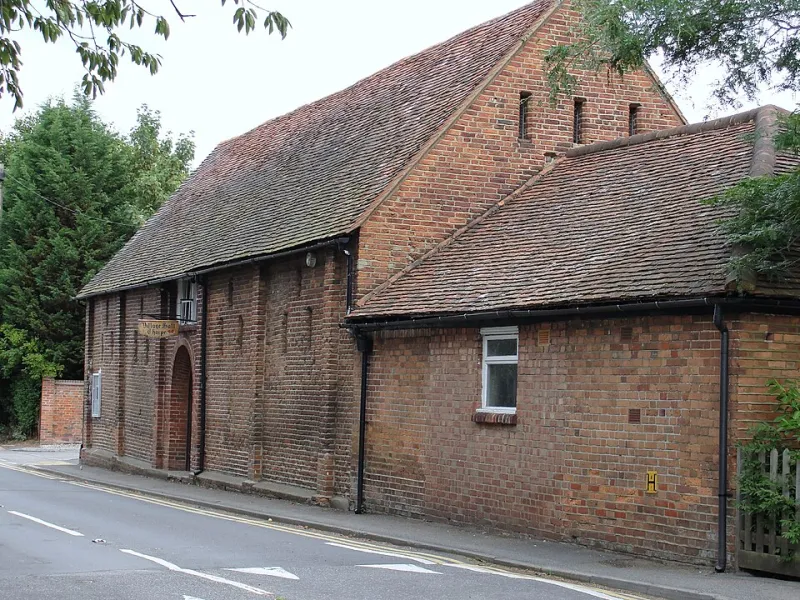
Photo: Maxwell Hamilton, CC BY-SA 3.0, via Wikimedia Commons
The first thing you notice is not the band. It is the queue for the cider. It curls past the tombola table, past the handwritten sign about the raffle, past a stack of folding chairs that someone’s uncle has already labelled ‘DO NOT TAKE — RESERVED FOR THE BAND’. The stage, meanwhile, is roughly the size of a snooker table. And somehow that is the whole point.
Britain’s tiny country and Americana weekenders are not a new idea. Village halls have hosted folk clubs, ceilidhs and wedding receptions for generations. What feels different now is the confidence of the booking, the quality of the sound and the number of fans deliberately choosing a 200-cap room over a festival field with a big-name headliner and a forty-minute walk to the car park.
The room sets the rules
Walk into one of these weekenders and you can feel the rules before anyone explains them. No barrier. No VIP rope. No one filming the whole set on a phone held above their head. The audience is close enough to hear the singer take a breath, and the singer is close enough to see who is laughing at the between-song story.
‘We book people who will eat breakfast with the audience,’ says Maggie, a retired district nurse who runs a small Herefordshire weekender with her husband, Col, a plasterer. ‘If an artist wants a rider with a specific brand of water and a dressing room with a mirror, this is not the gig. If they want tea, cake and a lift to the B&B, we can do that.’
The format is usually simple. Friday night is a low-key opener, often a local act or a song circle. Saturday is the main day, with four or five sets, a long lunch and an afternoon workshop. Sunday finishes early so people can get home before dark. Tickets are often £30–£50 for the weekend. Camping might mean a field behind the rugby club, a nearby campsite or a spare room with a volunteer’s neighbour.
The booking policy is a personality test
Tiny weekenders cannot compete on fees, so they compete on care. Organisers tend to book in a way that feels almost old-fashioned: they listen to whole records, not just the single. They ask other promoters. They watch how an artist behaves at a nearby show. They bring back the acts who mucked in.
At a rugby club in West Yorkshire, the Sunday afternoon slot is reserved for a ‘shuffle’ — three local songwriters, one backing band, no rehearsal beyond a quick run-through at lunchtime. In Fife, a community centre weekender finishes with a ceilidh because, as one organiser puts it, ‘the audience and the band should end up in the same room, not on opposite sides of a security barrier.’
The booking quirks are part of the charm. Bands often play twice: a plugged-in set on Saturday night and an acoustic turn on Sunday morning. Headliners are not always headliners. A well-known name might play at 4pm because that is when the hall is fullest. The programme might include a ukulele workshop, a talk about a local song collector or a pop-up record stall in the corridor.
Who goes, and why they keep going
Ask the regulars and you hear the same things. ‘You can hear the words.’ ‘I can get to the loo without missing a verse.’ ‘Nobody stands in front of me with a six-foot flag.’ These are not anti-festival people. Many of them do Glastonbury or Black Deer or the big Americana weekender in the city. They just also want something smaller, kinder and easier on the knees.
The crowd is a mix of line-dancers, vinyl collectors, radio listeners, local farmers, students and retirees. Some come for the music. Some come because their friend is volunteering on the door. Some come because the hall has a proper stage and a decent piano and the acoustics are better than a tent.
And yes, the cider queue is longer than the stage. That is not a design flaw. It is a sign that people are staying for the whole weekend, talking to strangers and buying raffle tickets they have no intention of winning.
How to find one near you
Start local. Follow the village hall, rugby club or community centre on social media, not just the artists. Join the regional Americana and country Facebook groups — the ones where people ask ‘any gigs near Frome this weekend?’ and get six replies before lunch. Sign up to artists’ mailing lists. Tiny festivals announce through word of mouth and newsletters far more than through big ad campaigns.
If you find one, buy early. Volunteer if you can. Bring cash for the raffle and the cake stall. Check the accessibility info before you go, because old buildings can be brilliant and awkward in equal measure. Bring a cushion for the folding chairs. Offer a lift. And respect the village: park where you are told, not on the verge outside someone’s front window.
The 200-person weekender is not a stepping stone to something bigger. It is the thing itself. A room, a stage, a queue for cider and a weekend that feels like it was made by people who wanted you there. That is not nostalgia. That is a very good night out.