The 4pm Soundcheck: How All-Ages Country Nights Are Building the Next Crowd
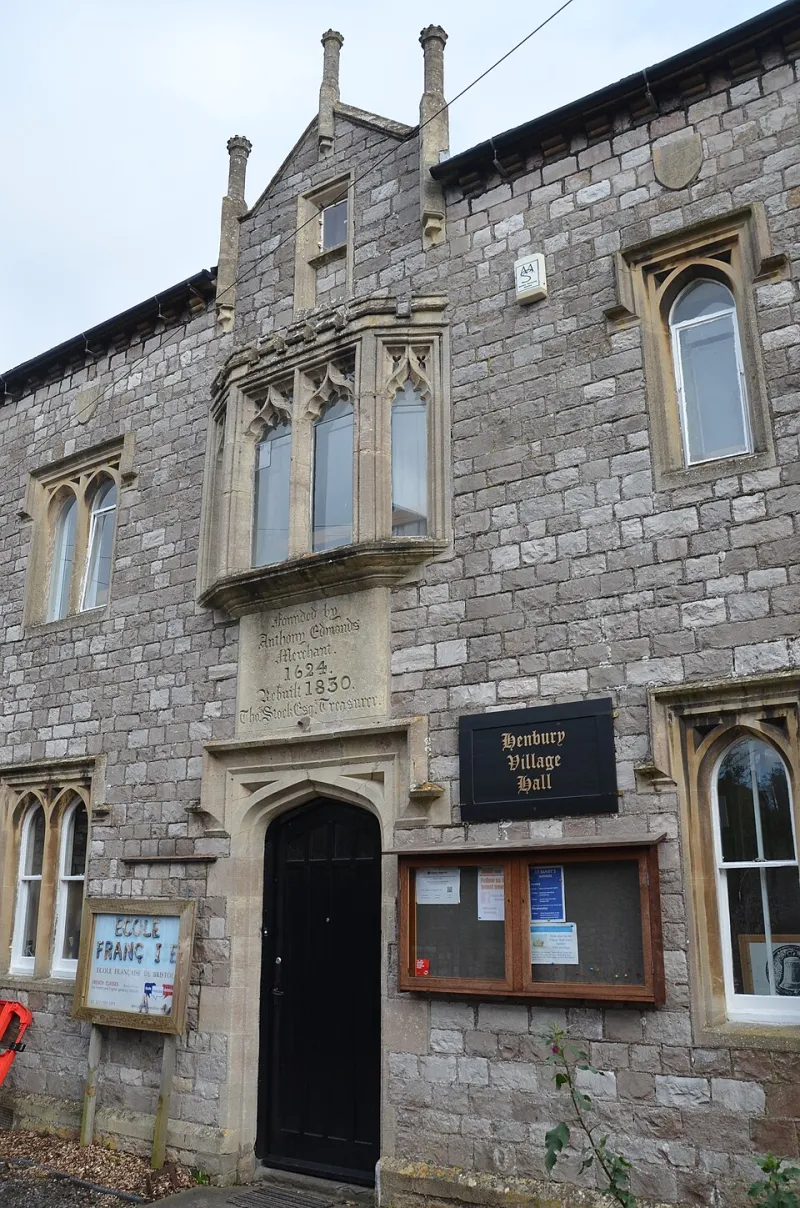
Photo: Hamburg103a, CC BY-SA 4.0, via Wikimedia Commons
There is a particular sound at a country gig that starts around four in the afternoon. It is not the pedal steel, and it is not the opening chord. It is the clatter of a folding table being unfolded, the squish of a tea urn being switched on, and the low-level hum of a promoter asking, “Has anyone seen the box of squash?”
Welcome to the early-doors country show: part gig, part community gathering, part masterclass in building an audience one family at a time. Across the UK this year, artists and promoters are testing a simple idea. If you want a loyal crowd in ten years, you might need to let them in at 4pm today.
The school-gate circuit is real
Word of mouth has always powered roots music. In 2026, some of the most effective word of mouth happens at pick-up. A parent mentions a village-hall matinee. Another asks if the kids can come. Someone volunteers to run the cake stall. By Friday, a hundred tickets have gone and nobody has printed a poster.
It is not glamorous, and that is exactly the point. These shows tend to be all-ages, early-finishing and built around the reality of family life. A 5pm set means children can be in pyjamas by bedtime. A 7pm curfew means the babysitter can still get home. A family ticket means nobody has to choose between one adult coming or nobody coming.
For artists, it is a different kind of gig. The front row may include a seven-year-old in ear defenders and a grandparent with a flask. Requests can come from anyone. The applause is sometimes louder for the raffle than the encore. And yet the room is listening. That is the bit that matters.
Why curfews are not killjoys
There is a lazy assumption that an early finish means a lesser night. In practice, a sensible curfew can make a show sharper. Artists know they have a defined window. Promoters know the hall needs to be cleared by a certain time. Families know they can say yes without negotiating the next morning.
It also widens the door. Not everyone can do a 10pm headline set. Shift workers, carers, parents of small children, people who find late-night travel difficult, and anyone who simply prefers to be home before the roads go quiet all get a look-in. That is not a niche audience. That is most of the country.
The best all-ages shows do not feel like a watered-down version of a grown-up gig. They feel like a proper gig with better planning. Shorter sets. Clear introductions. A bit of room at the back for anyone who needs to move about. Maybe a colouring table that quietly becomes the best seat in the house.
Promoters who think like parents
The promoters making this work are not necessarily the ones with the biggest budgets. They are the ones who think about the whole evening, not just the stage time. They put the start time on the ticket. They say clearly whether there is a bar or a kettle. They make sure there is somewhere to park a pram and somewhere to leave a coat.
Village halls are perfect for this. So are community centres, church halls, arts centres and the kind of small venues that already know their regulars by name. These rooms have a built-in warmth. They also tend to have a built-in curfew, which helps everyone plan.
There is a lesson here for the wider scene. The audience for UK country and Americana is not just ageing upwards. It is also growing sideways, into families who might never have bought a ticket for a late-night club show but will happily bring the kids to a Saturday afternoon gig with a cake stall and a decent sound system.
The late-night spark is not lost
None of this means every show should finish before teatime. The late-night gig still matters. The dark room, the loud band, the crowd that stays for the second encore: that is part of the music’s DNA too.
The point is that the scene can hold both. An artist can play a family matinee in a village hall and a late set in a city venue in the same month. A promoter can run an early-doors show for the community and a club night for the night owls. The two audiences are not in competition. They are the same audience at different stages of life.
In fact, the early show can feed the late one. A child who sees a fiddle player up close at a village-hall matinee may be the teenager queuing for the front row in five years. A parent who comes for the 4pm set may come back for the 9pm one when the babysitter is sorted. Loyalty starts early, and it starts local.
A scene that grows up together
Humphead Country has always been interested in the warm side of this music: the stories, the rooms, the people who make a scene feel like somewhere you belong. The all-ages country night is that idea in action. It is not a marketing trick. It is a practical answer to a simple question: who is coming next?
At its best, it looks like a hall with a few dozen families, a band playing within its means, and a promoter smiling because the raffle made enough to cover the hall hire. It sounds like a room singing along to a chorus it half knows. It feels like the beginning of something.
The next UK Americana audience might not arrive through a playlist or a poster. It might arrive through the school gate, holding a parent’s hand and wearing ear defenders. The 4pm soundcheck is already warming up.