Six Mugs, a Folding Table and the Quiet Art of the UK Rider
There is a moment, somewhere between soundcheck and doors, when a UK country artist will walk into a dressing room and scan the room like a detective. Not for a bowl of blue M&Ms. Not for a particular brand of imported water. They are looking for something far more precious: a kettle that actually boils, a mug that has been washed, and a parking space within dragging distance of the load-in door.
Welcome to the British rider. It is a document of modest needs and deep practicality, and it tells you more about the UK roots scene than any tour poster ever could.
The rider is not the rock star bit
In the popular imagination, a rider is where fame gets silly. The stories travel: the deli trays, the specific candles, the demands designed to make a promoter sigh. That myth has its roots in American touring culture, where the backstage excess has long been part of the showbiz folklore. Over here, things tend to be a little different.
British riders are often gently funny by accident. They ask for a clean towel and a mirror. They request a power socket near the mirror, because the mirror is where someone will be doing their own makeup with a phone torch. They ask for a pot of tea and — if the promoter is feeling generous — a plate of biscuits that has not been sitting open since the afternoon.
One tour manager I spoke to described a rider as “a shopping list for a very polite house guest.” You need tea, milk, sugar, maybe a few mugs. You need somewhere to sit. You need to know where the van can go. The glamour is in short supply, but the warmth is not.
The tea station is load-bearing
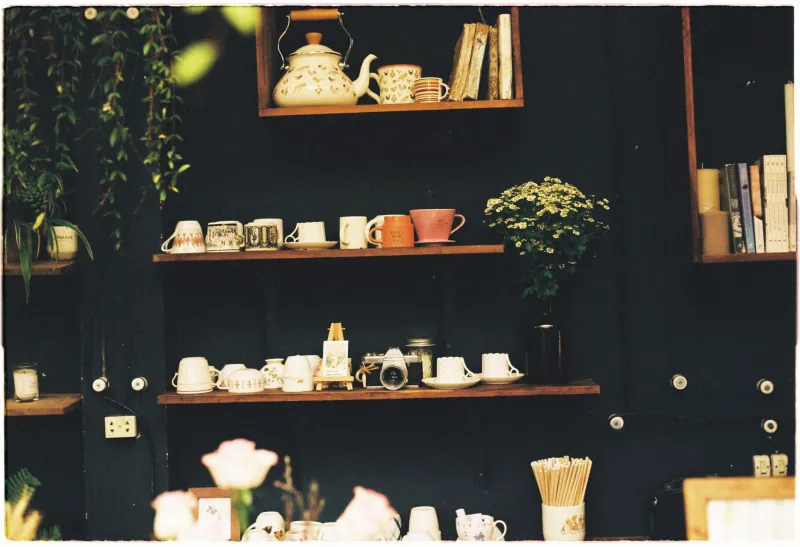
If there is a sacred text in UK backstage life, it is the tea station. Six mugs is not an arbitrary number. Six mugs is a band, a tour manager and one spare for the venue door person who has been on since four o’clock and deserves a brew more than anyone.
The kettle is not a luxury item. It is infrastructure. In a village hall with one socket and a dream, the kettle is the difference between a civilised evening and a group of musicians staring into the middle distance like they have forgotten how civilisation works. A rider that specifies “tea, coffee, milk, sugar, and a decent amount of each” is not being fussy. It is being realistic about the length of a day that started in a motorway services and will end with a van being reversed into a hedge.
And the mugs matter. Proper mugs. Not thimbles. Not plastic cups that go soft halfway through. A good mug says: we are here, we are human, and we would like to sit down for five minutes before we play.
Biscuits as diplomacy
Biscuit requests are where the UK rider reveals its soul. You will see the classics: chocolate digestives, shortbread, maybe a packet of custard creams if the promoter is a person of taste. Occasionally there is a specific request — the good bourbons, the ones with the proper filling — and you can almost hear the artist’s voice in the wording. Please. If possible. No worries if not.
The “no worries if not” is the most British rider phrase of all. It appears next to requests for a parking space, a towel, a table, and a mirror. It is a small linguistic cushion, a way of asking for something without making a fuss. Behind it is a whole touring culture that would rather make do than make a scene.
Biscuits, though, are serious business. They are the currency of backstage diplomacy. A band that leaves a half-full packet on the table is a band that understands community. A promoter who puts out the good biscuits is a promoter who will be remembered. It is not about excess. It is about the small, shared ritual of a cup of tea and something sweet before the doors open.
Parking, power and a place to sit
Ask anyone who has loaded a van in the rain and they will tell you: the parking space is the real headline request. Not a suite. Not a fruit platter shaped like a swan. A space near the door where the gear can be moved without a ten-minute hike through a courtyard and a fire exit.
UK venues are often beautiful, old and wildly impractical. The dressing room might be a converted storage cupboard. The stage might be upstairs. The power supply might be one socket and a prayer. So the rider asks for the basics: parking, power, a table, a few chairs, and a mirror that is not propped against a mop bucket.
There is something deeply endearing about that. The requests are not about status. They are about getting the job done with a bit of dignity. A folding table is not glamorous, but it is where the setlists get written, the merch gets counted, and the tea gets balanced. A chair is not a luxury. It is a place to sit down before you stand up and sing.
A very British kind of excess
None of this is to say UK riders are joyless. There is room for humour. One artist reportedly asks for “a plant, if there is one going spare,” because a dressing room with a plant feels less like a cupboard. Another asks for “a window that opens,” which in a British venue in November is either optimism or a cry for help.
The contrast with the grander American backstage myth is not about superiority. It is about scale and culture. The UK roots scene runs on small rooms, long drives and promoters who are often doing three jobs at once. The rider reflects that. It is practical, communal and lightly self-deprecating. It knows that the show is the point, not the dressing room.
When a country artist asks for six mugs, they are not demanding luxury. They are asking for enough mugs to include the people around them. When they ask for a parking space, they are thinking about the load-out at eleven o’clock at night. When they ask for biscuits, they are thinking about the small pleasure of a sit-down before the lights go up.
That is the quiet art of the UK rider. It is a kettle, a folding table and a place to park. And somehow, it says everything about why this scene feels like home.