The First Forty Minutes: What UK Americana’s Support Acts Know About Winning a Room
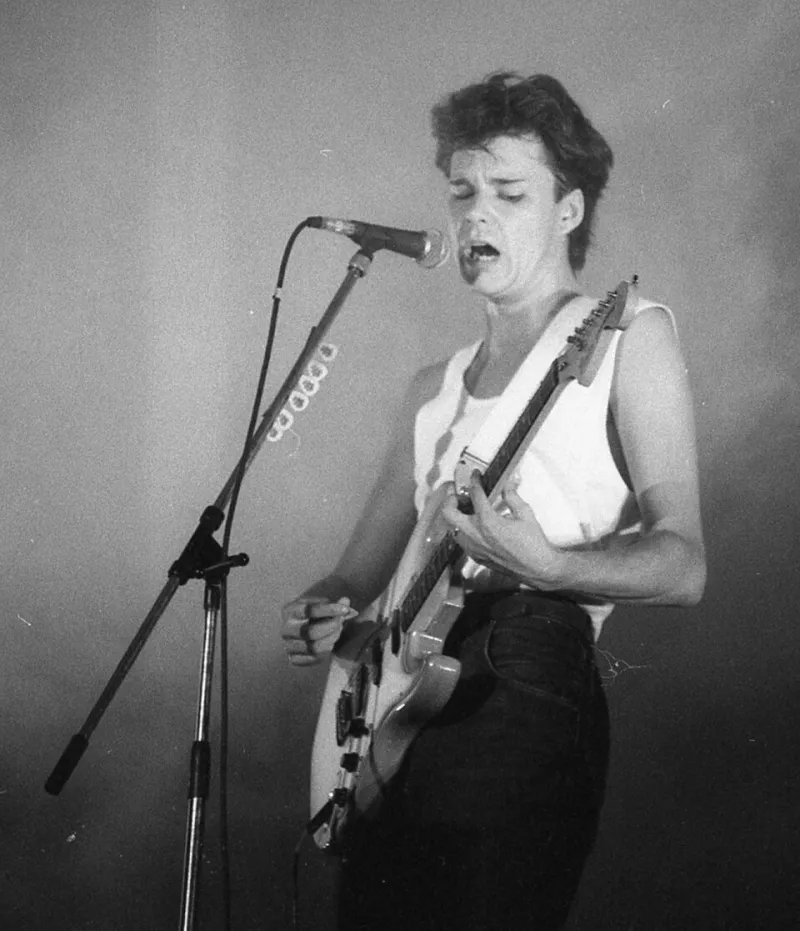
Photo: Steve Knight from Halstead, United Kingdom, CC BY 2.0, via Wikimedia Commons
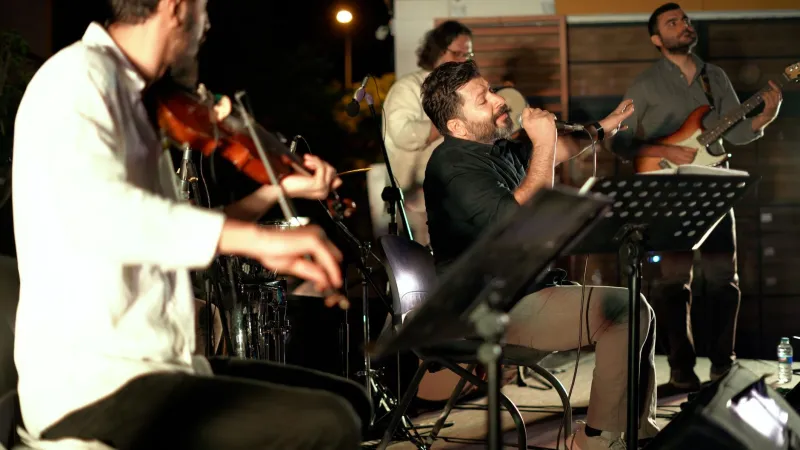
There is a particular sound in a British venue at 7.45pm on a Thursday. It is the clink of glasses, the shuffle of coats, the low hum of people who have come out for the main act and are not quite ready to stop talking yet. Into that sound walks the support act. They have driven two hours, parked in a questionable car park, carried a guitar through a side door and been told the headliner’s drum kit is already set up, so please don’t move anything. They have twenty-five minutes, maybe thirty if the changeover is quick. And they have to win a room that did not come for them.
The gig that isn’t about you
The support slot is one of the least glamorous jobs in music, and one of the most instructive. On paper it looks simple: play a short set, thank the headliner, get off. In practice it is a masterclass in reading a room, swallowing your nerves and making a borrowed amp sound like it belongs to you. It is also where a lot of UK country and Americana acts learn their craft in public.
“You can’t treat it like your headline show,” says Cerys, a Bristol-based songwriter who has opened for touring Americana acts across the south-west. “You have to remember that most people are hearing you for the first time, and some of them are actively hoping you’ll finish soon so they can see the band they paid for. That’s not personal. It’s just the job.”
The job starts long before the first chord. It starts with the email that says “we can offer you a support slot, no fee, but you can sell merch.” It starts with the message from the promoter: “Backline provided, but bring your own cymbals and snare.” It starts with the realisation that the house guitar has old strings and the monitor mix is going to be a rumour rather than a promise.
Borrowed gear, borrowed time
Ask any emerging UK Americana act about support slots and you will hear stories about gear. The borrowed Telecaster with the dodgy jack. The bass amp that hums in E. The pedalboard that works perfectly at home and then decides to become a radio receiver in the venue. The drummer who plays a house kit set up for a left-handed player and spends the first song trying to work out where the floor tom has gone.
“I once played a support slot in a village hall where the PA was two speakers on chairs and the monitor was a wedge that had been used as a doorstop,” says Tom, who plays guitar and sings with a Sheffield trio. “We had a ten-minute line check, no soundcheck, and the promoter kept saying ‘you’ll be fine.’ And we were fine, mostly. But you learn to make friends with the sound engineer very quickly, and you learn to bring gaffer tape.”
That practical wisdom is passed down like folklore. Bring a spare lead. Label your DI box. Learn how to tune silently. Don’t spend your entire set complaining about the monitors. Say your name clearly, early, and again near the end. Thank the headliner properly. And if the room is chatting, don’t scold them. Give them something to listen to instead.
The half-full room is still a room
The half-full room is a support act’s natural habitat. It can feel brutal: the bar queue is longer than the crowd at the front, the lighting is designed for the headline set, and the person nearest the stage is mostly interested in their phone. But the half-full room is also an opportunity. It is small enough to change. One person putting down their pint. Two people turning their chairs. A couple at the back stopping mid-conversation because a line caught them.
“You’re not playing to the whole room at once,” says Cerys. “You’re playing to the first three rows, then the next three. If you can get one table to stop talking, that’s a win. If you can get the headliner watching from the side, that’s a bigger win. You just have to keep doing the thing you do, without apologising for taking up the space.”
That is easier said than done. Support sets are short, so every song carries weight. There is no room for a slow start or a long story about the van. The best openers tend to front-load something clear and confident: a strong vocal, a recognisable groove, a lyric that lands. They introduce themselves like they belong there. They keep the between-song chat brief and warm. They do not say “we’ll get out of your way” unless they are actually leaving.
Ten minutes, three songs, one chance
In a twenty-five-minute set, you might get seven songs. In a ten-minute slot at a festival stage, you might get three. Those three songs have to do a lot of work. They have to establish who you are, what you sound like and why someone should care, all while the PA is being changed over and the crowd is still coming in from the bar.
“I used to try and fit in a ballad because I love ballads,” says Tom. “But in a support slot, you need to earn the ballad. You need to give the room a reason to be quiet first. So now we start with something upbeat, then we take it down, then we finish with the one that makes people look up. It’s not selling out. It’s just respecting the format.”
The format also means respecting the headliner. The support act is not there to blow the roof off; they are there to warm it up. That does not mean playing safe or bland. It means being aware that the night belongs to someone else. The best support acts borrow the room’s attention for a while and then hand it back, politely, with the crowd a little more awake than they were before.
Small victories, long game
Ask support acts about the wins and you won’t hear about standing ovations. You’ll hear about the person who bought a CD from the merch table. The promoter who said “come back and headline next time.” The headliner who watched the whole set from the wings and said something kind afterwards. The email sign-up that turned into a house concert months later. The moment when a chatty room went quiet for the last chorus.
Those victories are small, but they accumulate. The UK country and Americana scene is built on them: on acts who drove the length of the M6 for a forty-minute set, on promoters who put a local opener on the bill, on audiences who decided to give the first act a chance. The support slot is not the main event. But it is where the next main event comes from.
So next time you’re at a show and the room is half-full and the singer is tuning a borrowed guitar, give them ten minutes of your attention. They’ve earned it before they even play a note.