Four Minutes to Goodnight: Twelve UK Country Acts on the Song They Choose to Leave You With
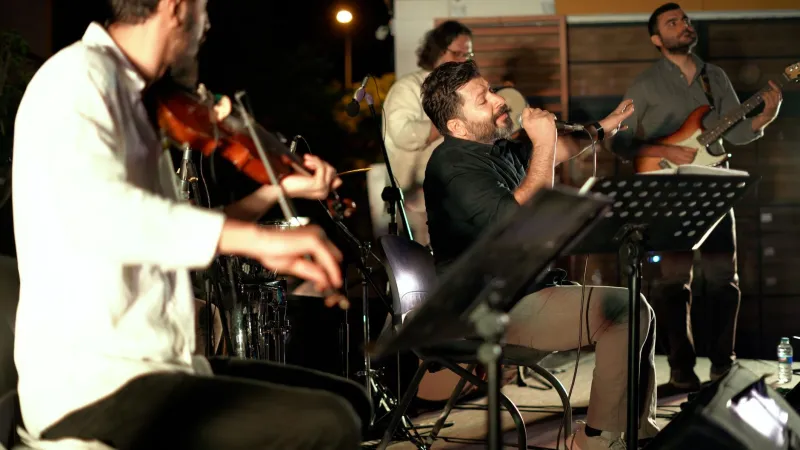
There is a moment, somewhere past eleven, when a gig stops being a performance and starts being a goodbye. The setlist is spent. The singer has already told the story about the van. The drummer is doing that thing with the towel. And then somebody has to choose the last four minutes.
It is, by common consent among the people who do it for a living, the hardest decision of the night. Not the opener — openers are easy, openers are a wave hello. The closer is the bit people hum on the walk to the car park. Get it wrong and the evening leaks away. Get it right and a stranger is still singing it in a Tesco Express in Retford three days later.
So we asked twelve acts from the UK country and Americana circuit a single question: what do you play last, and why? Their answers said far more about the rooms they play than about the songs themselves.
The Barnstormer: when the room needs a roof lifted
For Nora Vane and the Fenland Four, the closer is non-negotiable. It is 'Bright Lights, Black Fen', a galloping, two-chord thing that sounds like a tractor with ambitions.
'We tried ending on the ballad once,' Vane says. 'Lovely version. Beautifully sung. And everyone just… sat there, waiting for the actual ending. We'd trained them to expect a party and then served them a nice cup of tea.'
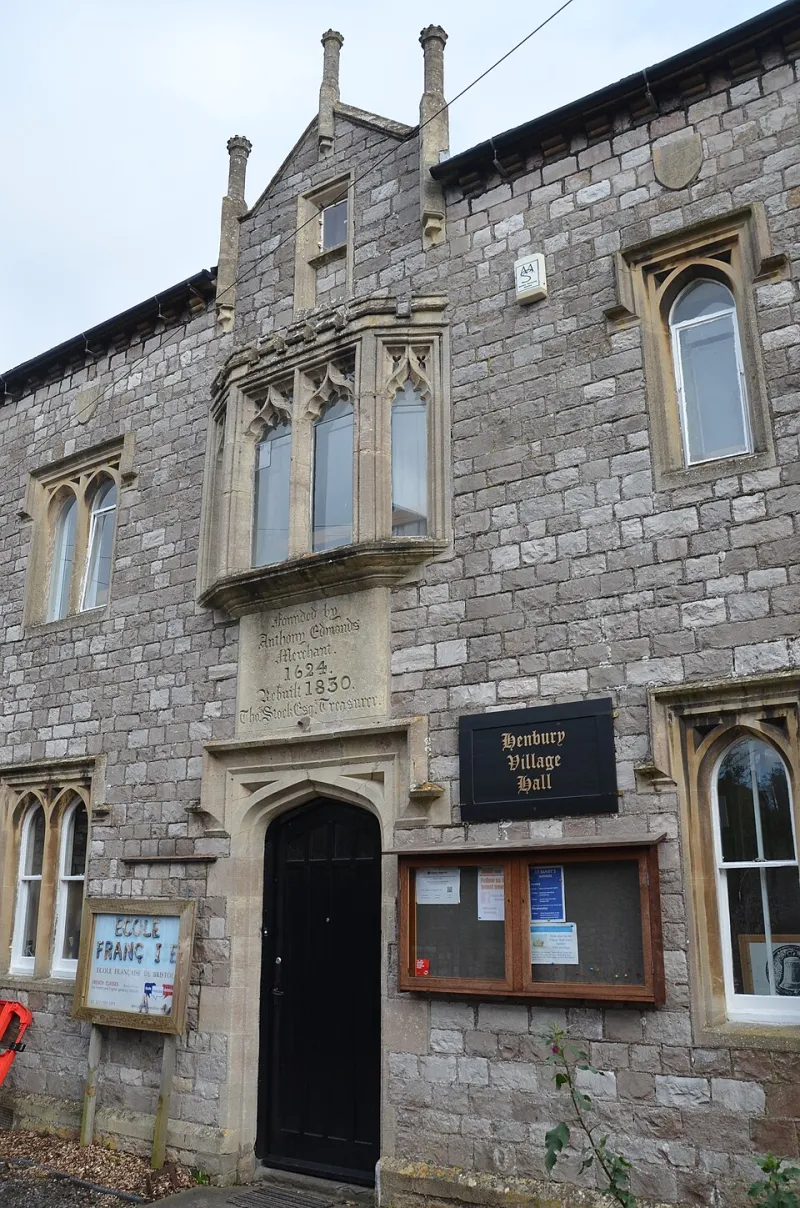
Her rule is simple: a barnstormer works only if the room has a floor worth stomping. Village hall? Perfect. A carpeted arts centre with fixed seating and a sign about fire doors? Less so. 'You have to read the room,' she says. 'Some rooms want to be sent home. Some rooms want to be tucked in.'
The Hymn: when the room needs a hush
The Aldergate Union go the other way entirely. Their last song is a slow, unaccompanied four-parter they wrote for a friend's wedding and have never quite retired.
'It's the only moment in the set where nobody claps at the end for about six seconds,' says fiddler Ruth Okonkwo. 'You can hear the fridge in the kitchen. That silence is the whole point. We finish, we hold it, and then we just say goodnight and walk off.'
Playing a quiet song last is a gamble in a country that likes a chorus. But Okonkwo reckons the closing slot is exactly where a hush belongs. 'People have spent two hours being entertained. Giving them thirty seconds of nothing is a kind of thank you.'
The Curveball: when the room needs a surprise
Not every closer is original. Pocketful of Static end their shows with a bluegrass-leaning run at a nineties pop song that nobody in the room expects and everybody recognises by the second line.
'We did it as a joke in a pub in Hull,' says banjo player Dee Marsh. 'Then we noticed the bloke behind the bar singing every word, and we thought — right, that's it, that's the ending.'
The cover does something an original can't: it hands the last chorus to the audience without asking them to learn anything. 'A closer should be a gift,' Marsh says. 'Not a test.'
The One They Always Ask For
Some acts fight their signature song for years and then make peace with it. Callum Pryce, who plays solo with a guitar and a loop pedal, closes every night with the same tune he wrote at nineteen.
'I used to resent it,' he says. 'I'd be stood there thinking, I've written forty better songs since. But then I watched a room full of people who'd never heard of me sing the second verse back at me in a Wetherby village hall, and I realised it isn't my song any more. It's theirs. I'm just the bloke who knows the chords.'
The Long Goodbye Problem
The encore, almost universally, is a lie. Everyone knows the band are coming back. The trick is making the lie feel like a gift.
The Marsh Lane Collective solve it by not pretending. Their 'encore' is announced, unapologetically, as 'the bit where we play one more and then you can all get home'. It is, by all accounts, the warmest part of the night.
'Honesty is underrated as a stage technique,' says their singer, Bev Rushton. 'Tell people what's happening and they relax. Then they sing louder.'
Twelve answers, one pattern
Across all twelve acts, the same idea kept surfacing in different clothes: the last song is chosen for the room, not for the record. Nobody closed with their most-streamed track. Several closed with something unreleased, or a cover, or a song too slow and too long for a Friday-night support slot.
'You're not finishing a set,' Vane says. 'You're finishing an evening. Different job.'
Last songs for the drive home
A short playlist of the kinds of closers that stick, best played on a wet M6 with the heater on:
- The barnstormer — something with a stomp and a one-word chorus, loud enough to make you forget the parking charge.
- The hymn — the quiet one, unaccompanied if possible, for when the gig has already done its job.
- The curveball — the cover nobody saw coming, sung by everyone who claimed they didn't know it.
- The signature — the song the artist is tired of and the audience never will be.
- The new one — the unreleased closer, played as a promise that there'll be a next time.
- The singalong — the one with a chorus so simple it feels rude not to join in.
- The farewell — the slow, last-word tune that ends on the tonic and doesn't mess about.
- The instrumental — occasionally, wordlessly, and devastatingly, the band just… plays.
What the closer actually says
A set-closer is a small statement of values. A barnstormer says: we came here to have a good time and so did you. A hymn says: we know you're tired, sit down, it's alright. A cover says: this is yours now.
And a quiet, unreleased song played to forty people in a Norfolk village hall says something else entirely — that the act trusts the room enough to end on something the room has never heard.
That's not a setlist decision. That's a relationship.
'You can tell everything about a band from their last song,' Okonkwo says. 'Everything. Whether they like their audience. Whether they like each other. Whether they've ever stood at the back of a hall and watched somebody else do it.'
The lights go down. The caretaker appears with the keys. And somebody, somewhere in Britain, is still humming the ending.