A Pound for the Van Tyre: The Interval Raffle and the Warm Economy of UK Country Gigs
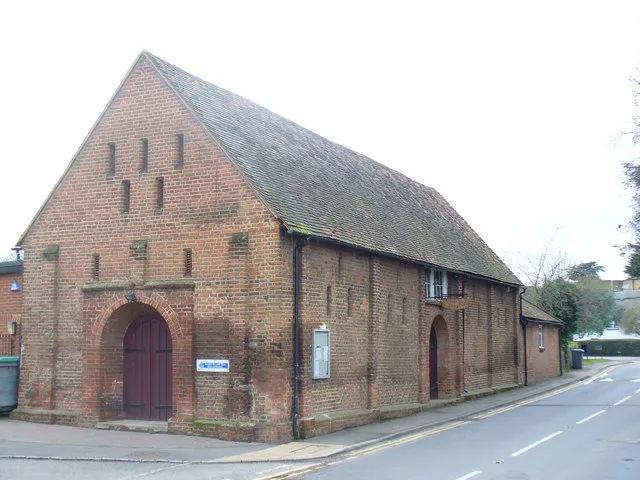
Photo: Colin Smith, CC BY-SA 2.0, via Wikimedia Commons
The interval arrives with the clatter of chairs and the smell of hot drinks. The band steps down. The lights stay low. And somewhere near the tea urn, a volunteer picks up a copper-coin tin and gives it a hopeful shake. It is not the most glamorous moment of a UK country night. It might be the most important.
The raffle is a small ritual, almost invisible beside the songs. A strip of tickets for a pound. A bottle of something red. A meat hamper from the butchers on the high street. A voucher for a haircut, a Sunday lunch, a farm shop box. The prizes are rarely grand. The point is not grandeur. The point is that a room full of relative strangers agrees, for ten minutes, to make something happen together.
The Second Stage at the Back of the Room
In a village hall, the interval is not dead time. It is the second stage. People who arrived in separate cars and sat in separate rows suddenly have a reason to talk. The raffle table gives them a script. Have you got a strip? Are you feeling lucky? Is that hamper from the farm down the lane?
A promoter in Shropshire puts it plainly: 'We do not call it fundraising. We call it the raffle. But it is fundraising. It pays for the hall, the insurance, the tea, the loo rolls, the little things that nobody sees on the poster.' Across Britain, those little things add up. A £1 strip does not look like much. Multiply it by forty people, then by a season of nights, and it becomes a van tyre. It becomes a tank of diesel. It becomes the difference between a tour reaching the next town and turning back at the motorway services.
What's on the Table
The prizes tell you where you are. In a rural hall, it might be a tray of local eggs, a bottle of sloe gin and a voucher for the garden centre. In a town, it could be a record-shop token, a meal for two and a signed setlist from the headline act. The meat hamper is a classic for a reason: useful, generous and heavy enough to feel like a proper win.
Artists learn to read the table. 'You can tell a lot about a gig by what's on the raffle,' says one Yorkshire singer-songwriter. 'If there's a homemade cake and a bottle of plonk, it's going to be a warm room. If there's a voucher for the local taxi firm, you know they've thought about how people get home.' The table is a map of local kindness. The butcher, the baker, the pub, the guitar shop, the festival organiser with a spare tent: they all appear, quietly, in prize form.
The Maths of a £1 Strip
The economics are simple and stubborn. A UK country night in a small hall might run on a shoestring and a borrowed PA. The raffle covers the gap between the ticket price and the real cost of putting on live music. It is not a fortune. It is a buffer.
One Cumbrian organiser keeps a note of what each raffle pays for. Last winter, one night's takings covered the hall's heating surcharge and a replacement cable. Another paid for a new kettle after the old one gave up during the soundcheck. 'People think we're raising money for something big,' she says. 'We are. We're raising money for the next night.'
That is the quiet genius of the interval raffle. It turns a room of listeners into a small mutual-aid scheme with a PA. Nobody is asked for a grand gesture. They are asked for a pound, maybe two, and a bit of good humour while the band restrings a guitar or eats a sausage roll.
Breaking the Ice Between Sets
The raffle also does social work that no compere can quite manage. It gives shy people a reason to lean across a table. It lets the support act mingle without the awkwardness of the merch stand. It gives the headline artist a moment to be a fan of the local butcher's hamper.
A Bristol promoter describes the interval as 'the bit where the room decides what it is'. If the raffle is loud and funny, the second set is warmer. If the volunteer with the tin gets a round of applause for a particularly good prize, the whole night lifts. 'We had a raffle where the top prize was a wheelbarrow,' she says. 'You'd think we'd given away a car. The winner walked it home. Everyone cheered.'
The Volunteer with the Tin
The raffle depends on someone who is willing to work the room. They are usually not on the bill. They are the person who knows which local business donated what, who has the float in a biscuit tin, who can persuade a table of sceptics that a strip is basically a donation with a chance attached.
It is a role built on patience and cheek. The best raffle sellers do not push. They chat. They remember who won last time. They make the losing feel like part of the fun. In a scene that often runs on goodwill, that volunteer is infrastructure. They are the reason the van gets its tyre, the hall gets its heating, and the next country night gets a date in the diary.
So next time the interval comes and the copper tin appears, do not treat it as the pause before the real thing. It is the real thing, in miniature. A pound, a strip, a room full of people saying yes to each other. Roll up. The van needs a tyre, and the night needs a future.