A Pound a Slice, a Fiver a Strip: The Cake Stall Economy Keeping UK Country Nights Warm
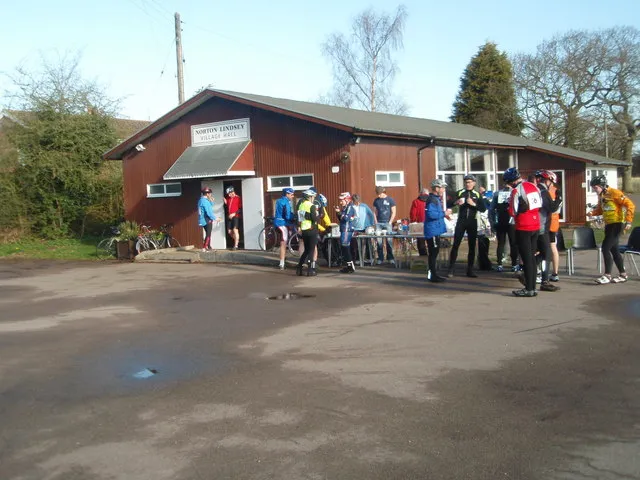
Photo: Michael Trolove, CC BY-SA 2.0, via Wikimedia Commons
The doors open at seven, but the cake stall has been trading since ten past. There is a Victoria sponge under a tea towel, a lemon drizzle that has already been claimed in spirit by the woman on the door, and a raffle strip being folded with the care of a setlist. Two pounds a slice. A pound a strip. Cash only, though nobody minds a fiver.
By half past seven, the room smells of coffee, warm sugar and the particular optimism of a village hall on a Friday. By eight, the soundcheck is done, the lights are down, and the cake tins are nearly empty. Both are part of the same night's work.
The arithmetic of a ten-pound ticket
A small country gig in Britain does not balance itself. There is the hall hire, the PRS licence, the tea urn, the milk, the loo rolls, the petrol for a band driving three hours for a forty-five-minute set. Door money rarely stretches far. Merch helps. But the cake stall and the raffle are the quiet underwriters — the bit of the night that pays for the headline act's second van of fuel or the emergency hire of a second microphone.
"People think the raffle is a bit of fun," says Maggie, who has run a monthly Americana night in a Wiltshire village for six years. "It is fun. It's also twenty per cent of what we take on a good night. If we sell every strip, we cover the sound engineer. That's not nothing. That's the difference between a professional job and someone's mate with a spare amp."
The prizes are almost never bought retail. A local artist donates a print. A regular brings a bottle of something brown. The promoter puts up a pair of tickets they were going to comp anyway. The best prizes, according to everyone who has ever run one of these, are the ones nobody can quite value: a hamper, a voucher for the farm shop, a signed lyric sheet that has been folded and unfolded so many times it has the softness of a favourite shirt.
The raffle as a second setlist
There is a rhythm to the raffle that regulars know by heart. It happens after the interval, before the last three songs. The person with the bucket shakes it once, twice, then launches into the numbers with the confidence of someone who has done it a hundred times. The audience, who have spent the first half pretending not to notice the prizes, suddenly become very interested in what is under the tea towel.
"I've seen crowds go silent for a raffle," says Elaine, a regular at a monthly country night in Suffolk. "Not in a bad way. It's like everyone is holding their breath for the same reason. We know what it's for. We know the band is good. We want them to come back. Buying a strip is the cheapest way to say that."
That is the thing about the cake stall economy. It is not charity in the traditional sense. It is not someone passing a hat because the night is in crisis. It is a small, honest transaction that says: we value this enough to put our hands in our pockets. The pound coin does not feel like a donation. It feels like a vote.
The artists notice. Rob, a singer-songwriter who plays forty or fifty small rooms a year, says he has learned to read a room by the raffle table. "If the cake stall is busy before the set, you know the night has a pulse. It means people arrived early. It means they are planning to stay. It means the promoter has built something, not just booked something."
What the sponge says about the scene
The cake itself matters, though not in the way you might think. It is not about baking skill. It is about the fact that somebody got up on a Friday morning and made something for a room they were not being paid to be in. The sponge is a small act of generosity, and generosity is the currency of the UK country scene at this level.
"We have a cake rota," says Maggie, laughing. "It's more competitive than the raffle. People want to bring the cake that gets finished. There was a run of banana breads last year that got out of hand. We had to have a gentle word."
The rota is not just about cake. It is about sharing the load. The same people who bake are often the people who put out chairs, who run the door, who drive the band to the station. The cake stall is a visible symbol of an invisible network — the volunteers, the regulars, the people who make a night happen by turning up early and staying late.
For the artists, that network is often the difference between a tour that makes sense and one that doesn't. A table by the door with a woman selling sponge and a bucket for the raffle is not glamorous. But it is reliable. It is a known quantity in an uncertain economy. It is a room saying: we have got you.
The quiet professional
None of this is to say the cake stall is the point. The music is the point. The soundcheck matters. The setlist matters. The singer who steps up and finds the room already warm because the raffle went well and the sponge did its work — that singer will tell you the difference it makes.
But there is a reason so many UK country and Americana nights keep the table by the door. It works. It is a low-stakes, high-warmth way of keeping the lights on. It asks for a pound, not a pledge. It rewards the punter with a slice of something real and the promoter with a few more months of breathing room.
The cake stall will see you now. It has been waiting all evening. And it would like to talk to you about a raffle strip, a second cup of tea, and the quiet, necessary business of keeping a room like this alive.