Felt-Tip, Blu-Tack and the Long Route to the Door: The Noticeboard Circuit That Still Packs UK Country Rooms
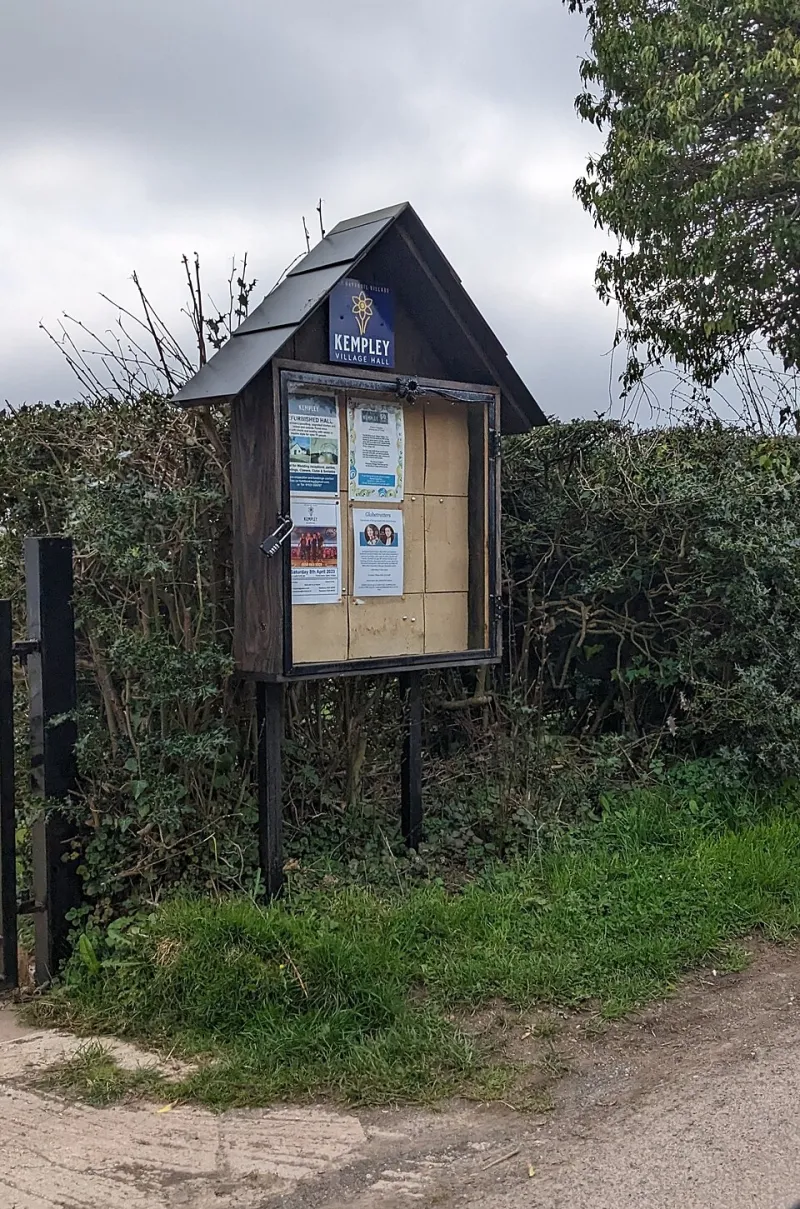
Photo: Jaggery , CC BY-SA 2.0, via Wikimedia Commons
There is a particular sound to a good country gig being announced in a British village. It is not a push notification. It is the squeak of a pub window being wiped down, followed by the press of four Blu-Tack blobs onto a laminated A4 sheet. If you have ever wondered how a tiny Americana night in a hall with a stubborn radiator ends up full, start there. Not with the advert. With the window.
In the week before a show, the poster becomes a small local campaign. It goes up in the Co-op, the library foyer, the chip shop, the leisure centre, the hardware shop that still sells individual screws, and the pub that has agreed, slightly reluctantly, to move the darts trophy. It is hand-lettered in some cases, professionally printed in others, and occasionally improved with a marker pen because the door time has changed. It is not glamorous. It is extraordinarily effective.
The window is the first stage
Promoters across the UK country and Americana circuit will tell you the same thing: the poster is not decoration, it is a route. A good A4 tells people where to go, what time to arrive, whether there is food, whether there is a real ale bar, whether children are welcome, and whether the floor is the kind that eats high heels. That last detail matters more than anyone outside the scene realises.
The wording is a ritual in itself. “Live Tonight” has to be big. The date has to be unmistakable. “Doors 7pm, music 7.45” saves a hundred messages. “Cash on the door” is a kindness. “Bring a cushion” is a warning and an invitation at the same time. One Shropshire promoter says she has used the same template for years, changing only the act, the date and the line about the raffle. The template is laminated. The date is written on with a dry-wipe pen. By the night itself, the sheet has been handled so often it looks like a much-loved setlist.
There is also the hand-lettered “live tonight” sheet, the last-minute hero of the village hall circuit. It goes up on the gate or the door at 4pm, slightly wonky, occasionally with an arrow drawn by someone who has strong views about wayfinding. It catches the dog walkers, the early arrivals and the person who meant to book but forgot. It is the least digital thing in the room and often the most persuasive.
Six words that do the heavy lifting
Musicians learn quickly that poster copy is its own craft. “UK country” can mean one thing in a city venue and another in a market town. “Americana” may need a small explanation, or it may be exactly the word that brings the right people in. “Acoustic” is useful. “Full band” is useful. “With support” suggests a proper night out. “Cask bar” has been known to double attendance.
Then there are the small, human phrases that build trust: “Family welcome,” “Dogs on leads,” “Hot food available,” “Come and go as you please.” They are not marketing language so much as local language. They tell a stranger that the room has thought about them. A poster that says “doors 7pm” is information. A poster that says “doors 7pm, pie and peas at half time” is a night out.
The best posters also carry a bit of the act’s personality. A line drawing of a guitar. A photo from the last gig in the same hall. A quote from a previous audience member, carefully spelled. It is not about polish. It is about recognition. “Oh, that lot were good last time” is the most powerful sentence in grassroots music, and it usually arrives via a neighbour, not a feed.
Routes, re-use and the laminate economy
Ask a promoter about their poster round and you will get a tour of the town. The bakery first, because it opens early. The library, because the staff are kind and the footfall is steady. The leisure centre, because Saturday morning swimmers are a captive audience. The hardware shop, because the owner knows everyone. The pub, because the pub is the pub. Some promoters do it on foot with a roll of Blu-Tack in their coat pocket; others do it in the car with a flask and a list. Either way, it is a route, and routes build habits.
Re-use is part of the charm. A laminated A4 can survive drizzle, condensation and the occasional overenthusiastic door slam. A monthly folk and country night might have four posters in rotation, each with a blank date box. A festival poster from a previous year gets a new strip of paper across the bottom with the new date. No one minds. In fact, people look for it. The poster becomes a marker of the season: the same font, the same corner of the window, the same promise that something is happening.
This is the quiet economy of the noticeboard circuit. It costs very little and asks for a bit of effort. It is also a form of local broadcasting. The person who sees the poster in the library tells the person at the school gate. The person at the school gate brings a neighbour. The neighbour buys a raffle ticket and a slice of cake. That is how a room fills — not in one viral moment, but in a hundred small, physical encounters.
Why paper builds a loyal room
An algorithm can find people who like country music. A poster finds people who are already standing in the right place. It finds the dog walker, the library regular, the parent who needs a night out, the couple who moved to the village two years ago and have not yet found their people. It says: this is happening near you, tonight, and you will know someone there.
That is the difference. Digital discovery is wide and shallow. Noticeboard discovery is narrow and deep. It builds a crowd that knows the door time, brings cash, buys the merch, signs the mailing list and comes back next month. It is slower, warmer and far more loyal. The poster is not fighting the internet. It is simply doing a different job: putting a human invitation in a human place.
So next time you see a slightly wonky A4 in a pub window — date in fat marker, “live tonight” underlined twice, a tiny map drawn in the corner — give it a proper look. Someone stood on a chair to put that there. Someone chose the words carefully. Someone is hoping you will come in, sit down and let the room fill. That is the real engine of the UK country scene, and it is held up by Blu-Tack.