Half-Time, Whole Heart: The Compere's Ten Minutes That Hold a Country Night Together

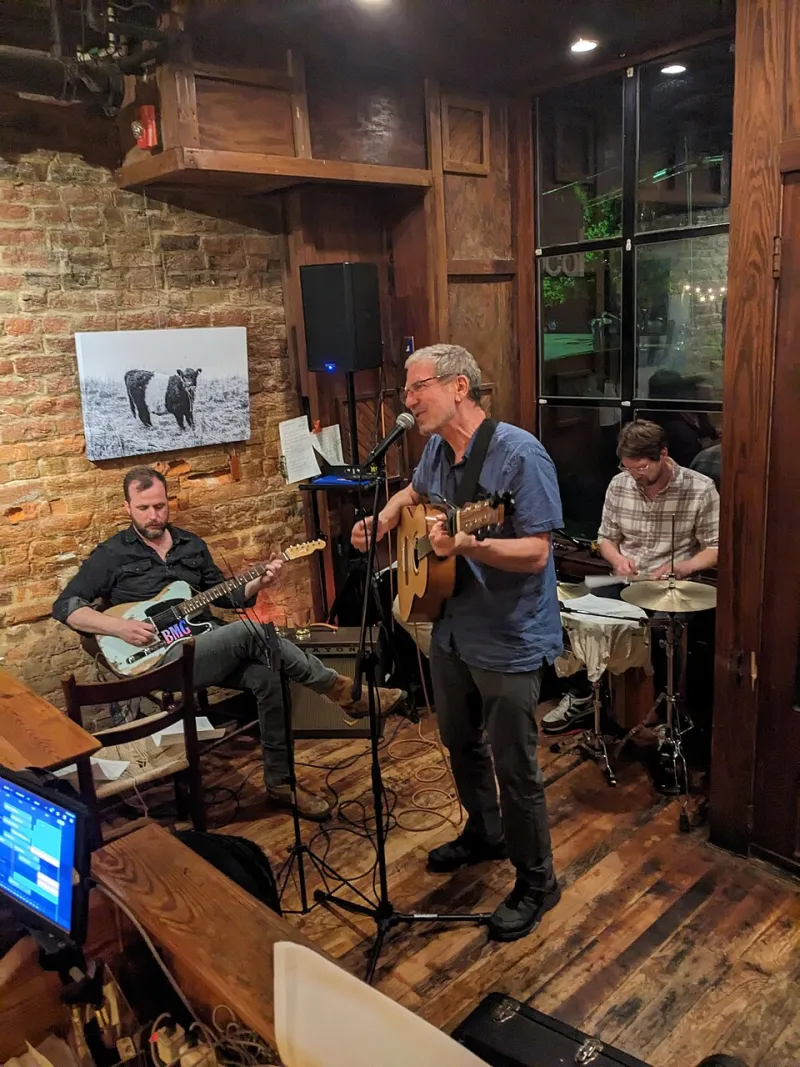
It is 9:42pm in a village hall somewhere outside Bury St Edmunds. The band has just finished a song about a truck they have never driven, the last chord is still wobbling round the rafters, and 120 people are doing that British thing of looking at their shoes and wondering whether it is too early to go to the bar. Then the compere picks up the microphone.
What follows is not, on paper, entertainment. It is a list: thank the sound engineer, point at the raffle, mention the next gig, remind everyone about the car park. But anyone who has spent time at UK country and Americana nights knows that this ten-minute stretch is where the evening is quietly won or lost. The interval announcement is less admin and more glue. It is the bit that tells a room whether it is an audience or a crowd.
The bit everyone forgets to rehearse
“People rehearse their songs for weeks,” says Ellie Marsh, a promoter who runs monthly Americana nights in a converted barn near Bury St Edmunds. “Nobody rehearses the bit in the middle. But that is the bit that decides whether people stay for the second half or drift off to the car before the raffle.”
Marsh has seen both versions. The mumbled version — head down, phone in hand, reading names off a screen, apologising for taking up time — and the good version, which feels less like an announcement and more like a mate standing on a chair in a busy pub. The difference is rarely talent. It is preparation and tone.
“You are not there to be a headline act,” she says. “You are there to be a host. There is a big difference. A host notices who is in the room and makes sure they are all right.”
Desk, bar, raffle, next time
Ask comperes what a good interval announcement contains and a rough order starts to appear. Thank the sound engineer by name. Point towards the bar. Big up the raffle. Tell people about the next show. Then get off. Four minutes is plenty. Five is pushing it. Ten is a support slot.
The sound engineer comes first for a reason. In small venues, the person behind the desk is often a volunteer, a mate of the band, or someone who has driven 90 minutes for a petrol contribution and a packet of crisps. Naming them does two things: it says the invisible work matters, and it reminds the room that this whole night is being held up by people, not a promoter’s spreadsheet.
“I always say the desk first,” says Tom Pryce, who comperes a monthly country night in a Sheffield social club. “If the sound goes down in the second half, that person is the most important human in the building. Best to be on their good side before the feedback starts.”
Then the bar. In a UK country night, the bar is not a side attraction; it is the economy. A room that drinks is a room that can pay the band. A compere who says “the bar is open, please use it, the lovely folks behind it have given up their Saturday” is doing more for the scene than a hundred social-media posts.
The raffle is not just a fundraiser
And then the raffle. In a village hall, the raffle is a social engine disguised as a strip of pink tickets. The prizes are rarely glamorous — a bottle of something, a hamper, a voucher from the local butcher, a cake that has been carried in on a proper plate. But the raffle gives people permission to talk to the person next to them. It creates a shared moment of hope and mild disappointment that is somehow deeply bonding.
“We had a raffle where the top prize was a wheelbarrow,” says Rhiannon Davies, a volunteer at a country and roots night in the Rhondda Valley. “You should have heard the room. The winner was a bloke in his seventies who had no garden. He was absolutely delighted. He gave it to his neighbour. That is the raffle. It is not really about the wheelbarrow.”
The compere’s job is to make losing funny and winning feel like a community event rather than a competition. A good raffle caller reads the room, not the ticket. They know that the person who wins the whisky will be asked to open it at the bar, and that the person who wins the cake will be asked to cut it. The announcement is the invitation.
Mumbling is the enemy
Bad interval announcements tend to share a few features. They read from a phone. They thank 14 people in a row without a pause. They include an inside joke that only three people understand. They apologise for existing. They end with “anyway, yeah, thanks” and a room that is not quite sure whether to clap.
Good ones are specific. They use names. They say “the next one is on the 14th of March, here, same room, tickets are a tenner and they are at the door.” They tell one small joke and then stop. They sound like a person, not a noticeboard.
“The biggest thing is confidence,” Pryce says. “Not showbiz confidence. Just the confidence to say a name clearly and not worry about getting it wrong. If you get it wrong, laugh and move on. The room will forgive you. They will not forgive a five-minute apology.”
Thanking the desk, the door and the extension lead
The best comperes also thank the people who are easy to forget: the person on the door, the person who brought the extension lead, the person who made the tea urn happen, the person who put the chairs out. This is not box-ticking. It is the whole point. The UK country and Americana scene runs on small, unglamorous acts of labour, and the interval announcement is one of the few moments when that labour gets a round of applause.
Marsh puts it simply: “If someone has spent their afternoon setting out chairs, they should hear their name. It costs nothing. It makes them come back next month.”
A promise, not a poster
The next-show plug is the other quiet art. A good compere does not read out a poster. They make a promise. They tell the room why the next one is worth leaving the house for — a band coming down from Glasgow, a songwriter who has never played the town before, a Christmas special with mince pies. They give people a reason to put a date in the diary before they have left the building.
“The interval is the only time you have a room full of people who already like what you do,” Marsh says. “You do not need to sell them a ticket. You need to remind them that this is a thing they are part of.”
And that, in the end, is what the interval announcement is for. It is not a list of thanks. It is a handover. The band has done its bit; now the room has to be looked after for ten minutes so it can come back for the second half. The compere with the microphone is not the star. They are the person holding the door open, saying: stay a bit, there is more.
So next time you are at a country night and the compere starts thanking the sound engineer, do not check your phone. Look around. That is the sound of a scene looking after itself.